Innovation

Leaders in Specialty Pharmacy Share How Transformation is Accelerating

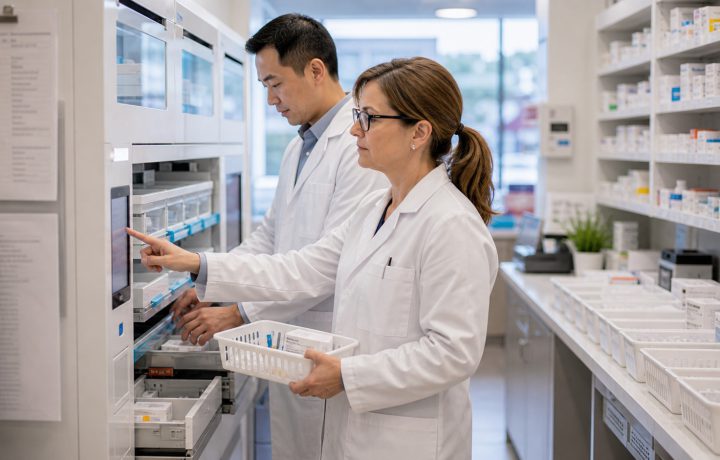
This article highlights key insights from industry leaders at the 2026 Asembia meeting, emphasizing the rapid transformation of specialty pharmacy. It explores how advancements in AI, interoperability, and digital navigation are reshaping patient care and operational strategies. Independent pharmacy owners will gain valuable perspectives on adapting to these changes to maintain high-touch care while leveraging high-tech capabilities.

From Compliance to Capability: Rethinking Continuing Education in Pharmacy

This article challenges independent pharmacy owners and staff to rethink continuing education (CE) from a simple compliance checkbox to a strategic investment in professional capability. It highlights how targeted CE can empower both pharmacists and technicians to confidently expand clinical services and improve patient care. Ultimately, the piece argues that relevant, team-based education is essential for pharmacies aiming to stay competitive and meet evolving healthcare demands.
spot_imgspot_img

The Evolution of the Pharmacy Switch in 2026

The role of the pharmacy switch has evolved significantly, shifting from a simple neutral data router to an active participant that influences claims through AI pre-edits, copay modifications, and manufacturer eVouchers. Independent pharmacies must understand switch ownership, data flow, and hidden costs to protect their margins and effectively manage claim outcomes in 2026.

Dispense Disruptors: Why Adapting Fast is the Future of Pharmacy

The pharmacy industry is undergoing rapid changes with AI automation and telehealth redefining patient care. Early adopters are building scalable systems to stay ahead, while those who wait risk falling behind. Embracing intentional innovation is crucial for independent pharmacies to adapt and thrive.

The Pharmacy Is Not the Asset: Why Clinical Expertise Is the Future

This article argues that the true value of pharmacy lies in the clinical expertise of the pharmacist, not the physical brick-and-mortar location. It urges pharmacists to pivot away from a dying geographic model dominated by PBMs and instead embrace new roles, such as serving as fractional clinical experts for self-funded employers.