
A Conversation With Mel Chancey
By Dispense Times
Pharmacists understand pressure in a way few professions do. They carry clinical responsibility, business risk, emotional labor, and administrative chaos often all at the same time. So, when Mel Chancey talks about walking through a personal valley and choosing a different path forward, it resonates in ways that go far beyond his personal story.
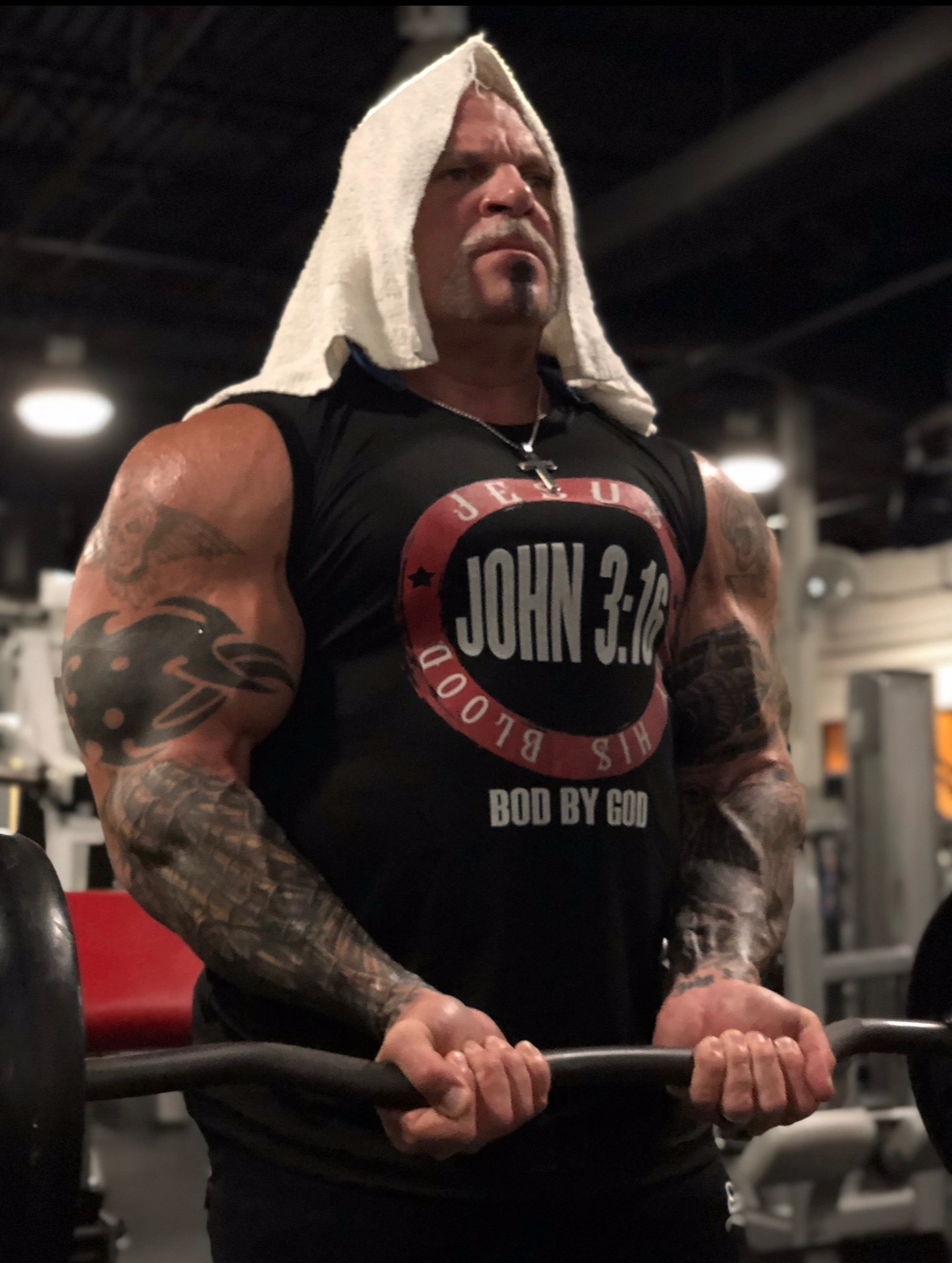
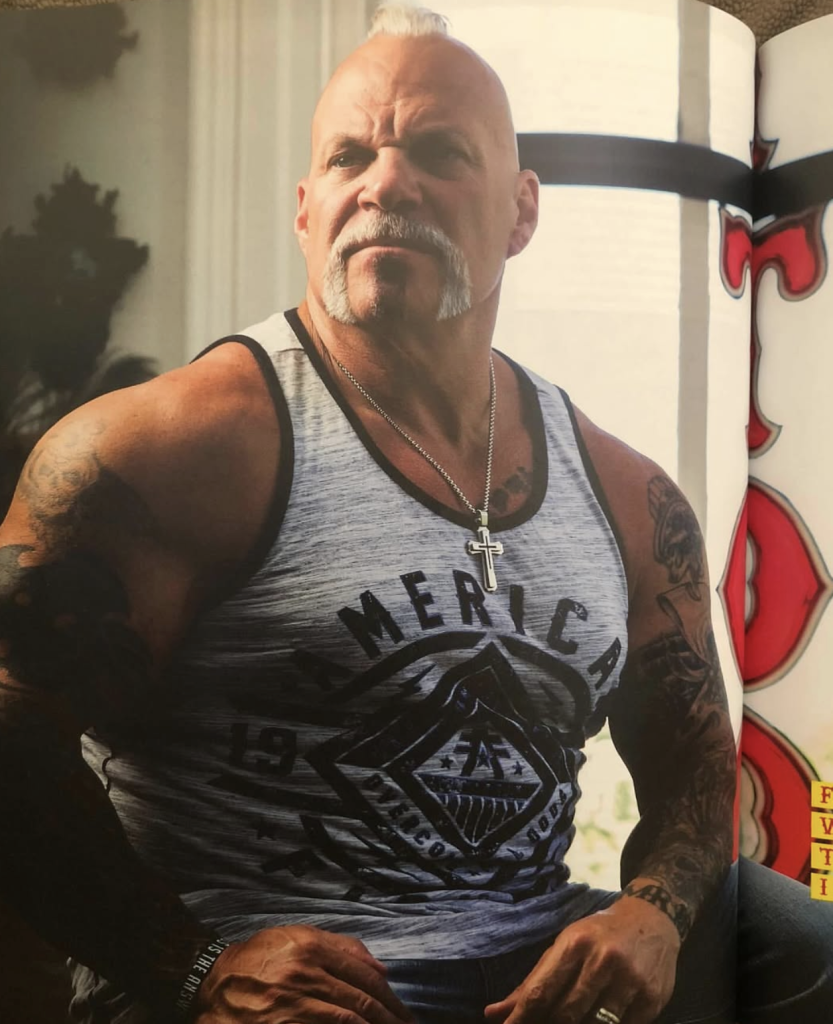
Mel Chancey is a managing partner at Core Medical, a hormone replacement and wellness company led by CEO Sidney Gordon. He is also the owner of Chancey Fitness, a longtime advocate for preventive health and a man who speaks openly about transformation, not as a brand, but as lived experience.
Raised in an Italian-German Catholic household, Mel grew up in church. Faith was present early, but like many people, it took years of hardship before it became real. His life took him down paths that came with consequences, including years behind prison walls. Mel does not romanticize that period. He acknowledges it as part of his story, not its centerpiece.
What matters to him now is what came after.
“I believe you can’t help people out of the valley unless you’ve been there yourself,” Mel says. “That’s true in life and it’s true in health.”
From Survival Mode to Preventive Thinking
Mel’s transition into wellness wasn’t sudden. It was deliberate. Fitness had been a constant in his life since his teenage years, but over time his focus shifted from appearance to longevity, inflammation, and metabolic health. That shift mirrors what many pharmacists are seeing firsthand: patients managing symptoms instead of causes and a system built around reaction instead of prevention.
According to Mel, hormone imbalance is one of the most overlooked contributors to declining quality of life in both men and women.
“People are exhausted, inflamed, foggy, gaining weight, not sleeping,” he explains. “They’re told it’s stress or aging. Most never get comprehensive labs. Most never get answers.”
Insurance plays a role. Preventive hormone testing and optimization don’t fit neatly into coverage models designed around acute care and chronic medication management. As a result, patients often turn to pharmacists with questions and pharmacists are left explaining why insurance won’t support care that could prevent bigger problems later.
Sound familiar?
Where Pharmacy Fits and Why It Matters
Core Medical operates through a telehealth model, partnering with licensed physicians to provide hormone replacement therapy and peptide treatments nationwide. Mel’s role focuses on patient education, wellness strategy and outcomes particularly among veterans and patients who have cycled through multiple prescriptions with limited improvement.
Many of those patients end up at independent pharmacies.
“Pharmacists are the most accessible healthcare professionals,” Mel says. “Patients trust them. They ask questions there they don’t ask anywhere else.”
That trust is critical and underutilized.
Independent pharmacies are already doing the hardest part: education, counseling, relationship-building. Yet they’re rarely included meaningfully in preventive or wellness conversations, despite being positioned perfectly to support them.
Mel sees hormone health, peptides and wellness services as a natural extension of what pharmacists already do, not a departure from it.
“This isn’t about selling something,” he says. “It’s about helping patients understand their bodies and make informed decisions.”
The Reality Pharmacists Are Living
The Dispense Times team didn’t need Mel to explain burnout. Pharmacy owners are living it.
Shrinking margins. Increasing unpaid labor. Insurance rules that change daily. Patients frustrated by systems pharmacists didn’t design but are expected to navigate. Many owners are asking the same question Mel once asked in a different context: How long can this continue as it is?
Mel’s answer isn’t simplistic. There is no one solution. But there is a mindset shift.
“Waiting for the system to fix itself doesn’t work,” he says. “At some point, you have to take ownership of what you can control.”
For pharmacists, that may mean exploring care models that are less dependent on insurance reimbursement and more aligned with patient outcomes. It may mean wellness partnerships, education-driven services, or preventive offerings that reflect the profession’s clinical expertise, not just its dispensing role.
Faith, Responsibility, and Moving Forward
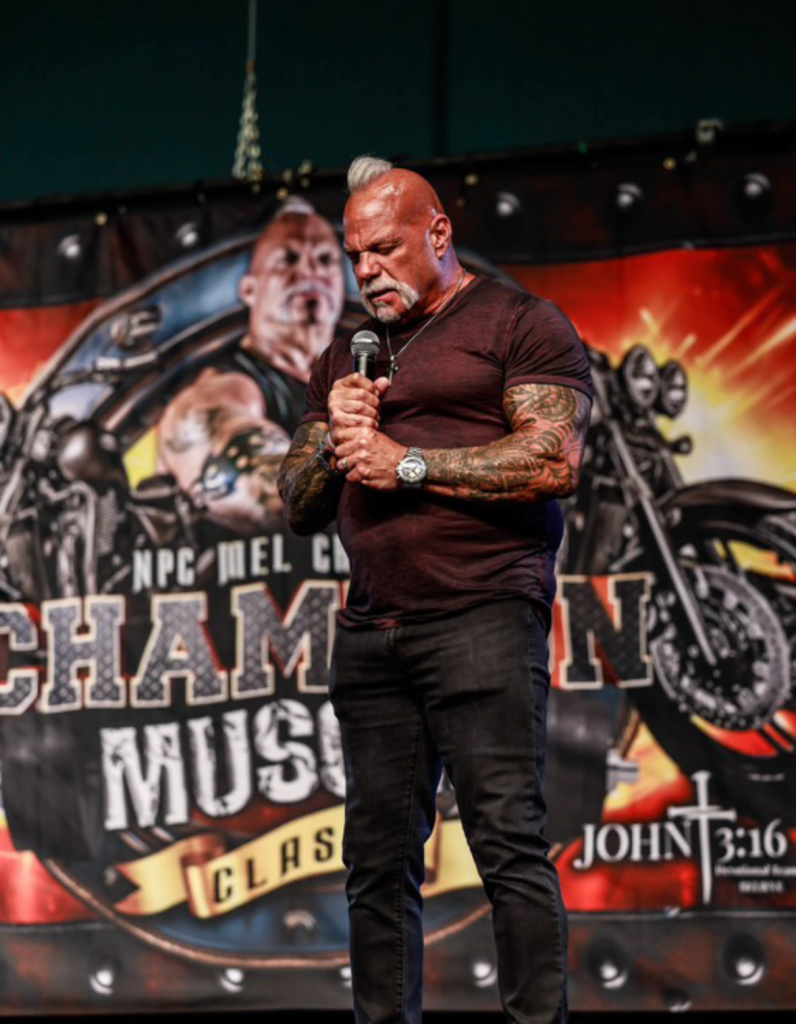
Mel speaks openly about faith, not as a talking point, but as a framework for accountability, service and long-term thinking. For him, faith didn’t erase responsibility; it reinforced it.
That perspective resonates with many in pharmacy who continue to show up despite a system that often feels indifferent to their survival.
Mel’s story is not presented as a template. It’s presented as a reminder: transformation is possible, but it requires honesty, effort, and a willingness to do things differently.
For a profession that has spent years absorbing pressure from every direction, that message matters.
Because pharmacy isn’t just about enduring what’s broken.
It’s about helping shape what comes next.