The Full Circle
The first pharmacies were compounding labs. Pharmacists stood behind wooden counters mixing remedies tailored to individual patients… tinctures for Mrs. Henderson’s arthritis, a custom salve for the blacksmith’s burns, cough syrup adjusted for a child’s weight and age.
It was personal. It was precise. And it worked.
Then came therapeutic standardization. The pharmaceutical industry figured out how to mass-produce medications, and the one-size-fits-all model was born. Scale became the priority. Profit margins followed. And to be fair, this approach delivered some genuine breakthroughs… antibiotics that saved millions, vaccines that eradicated diseases, treatments that turned death sentences into manageable conditions.
But something fundamental was lost in the assembly line: the personalized approach to care that had defined pharmacy for centuries.
Now we’re coming full circle. Advances in genomic testing, microbiome analysis, metabolic profiling, and nutritional science are ushering in a new era of truly personalized medicine. The tools exist. The research supports it. And the patients? They’re ready for it.
Independent pharmacies are uniquely positioned to lead this shift. While chains chase prescription volume and PBMs squeeze every penny out of reimbursements, independent owners have something no corporation can manufacture or acquire deep knowledge of their patients and relationships built on decades of trust.
That’s not nostalgia. That’s your competitive advantage.
Beyond the Prescription Counter
The economics of independent pharmacy are brutal right now. Everyone in this business knows it. Reimbursement rates keep dropping. PBMs keep moving the goalposts. If you’re relying solely on prescription volume to keep the lights on, you’re playing a game designed for you to lose.
But here’s what the chains and the PBMs didn’t count on: independent pharmacists are adapting.
Forward-thinking owners across the country are building sustainable revenue streams around personalized services, compounding, nutritional wellness, pharmacogenomics, peptide therapy, and cash-based clinical counseling. These aren’t side hustles. They’re becoming the core of modern independent pharmacy business models.
And before you write this off as something that only works in wealthy suburbs or coastal markets, let me show you otherwise.
Premier Drugstore: Wellness as a Complete System
Bryan Green runs Premier Drugstore in Georgia. Like a lot of independent owners, he saw the writing on the wall with traditional prescription margins. Unlike most, he did something about it early.
Bryan built a comprehensive wellness program centered around the exploding demand for GLP-1 medications and peptide therapy. But here’s the key difference: he’s not just selling semaglutide injections.
Bryan created the Premier Weight Loss Protocol, a complete system that includes wellness assessments, hydration therapy, ongoing nutritional counseling, and regular check-ins. His patients aren’t buying a product. They’re buying a relationship with someone who actually knows their health history, understands their goals, and can adjust the plan when things aren’t working.
That’s not something you get from a mail-order pharmacy, or a fifteen-minute clinic visit inside a big-box store.
Because Bryan provides comprehensive care instead of transactional service, he can charge for his time and expertise. And his patients pay it. Willingly. Because they see the value.
When you take the time to educate someone about how their body works, why certain interventions matter, and what sustainable health actually looks like, they don’t balk at the price. They thank you for caring enough to explain it.
MyNuRx: Personalized Care Where You Least Expect It
Now I know what some of you are thinking: “That’s great for Bryan, but my community can’t afford premium wellness services. My patients are struggling to pay for their prescriptions.”
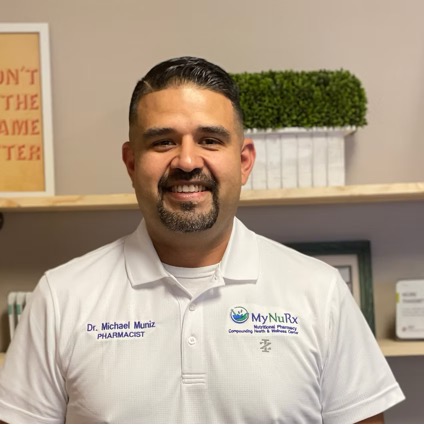
Let me introduce you to Dr. Michael Muniz.
Michael owns and operates MyNuRx on the Texas-Mexico border in the Rio Grande Valley, one of the most economically challenged regions in the country. If there’s a market where conventional wisdom says personalized healthcare can’t work, this is it.
Michael didn’t listen to conventional wisdom.
His journey started with Krave Market, a nutrition-focused store offering specialized foods for ketogenic, vegan, and gluten-free diets. The goal was ambitious but clear: help decrease obesity and diabetes rates in a community that desperately needed better health outcomes.
From there, he built a compounding pharmacy designed around restoration, not just symptom management. And here’s where Michael cracked the code: he showed patients and referring providers that addressing root causes actually saves money compared to the endless cycle of managing symptoms with more and more prescriptions.
When you help someone understand that fixing their metabolic dysfunction now means fewer medications, fewer doctor visits, and fewer complications down the road, the math starts to make sense. Even in markets where money is tight.
Today, Michael offers comprehensive health and wellness consultations that include advanced testing of 64 biomarkers and methylation genetic testing. Each patient gets a personalized plan tailored to their specific health concerns, delivered by a board-certified pharmacist with specialized training in metabolic and nutritional medicine.
He’s not working with the wealthiest zip code in America. He’s working with people who’ve been told their entire lives that “premium healthcare” isn’t for them. And he’s proving that idea wrong, one patient at a time.
The Independent Spirit That Changes Everything
So what do Bryan and Michael actually have in common?
It’s not their market demographics. It’s not their geographic location. It’s not even their specific service offerings.
It’s their passion for interacting with customers and helping in a way that’s deeply personal.
That’s the independent spirit. That’s what you can leverage in your own practice, no matter where you are or who you serve.
But here’s the mental block that’s holding too many pharmacists back: the belief that people won’t pay for this kind of service.
Let’s kill that idea right now.
People pay for mental health counseling. They pay for personal trainers. They hire nutritionists, life coaches, and financial advisors. They call plumbers, electricians, and contractors and hand over their credit cards without blinking.
Why? Because they recognize expertise. They value specialized knowledge. And they understand that some problems require professional guidance, not a YouTube video.
Your clinical expertise is worth paying for. Your time is worth paying for. Your ability to create a personalized health plan based on someone’s unique biology, lifestyle, and goals? Absolutely worth paying for.
The issue isn’t whether people will pay. The issue is whether you’re effectively communicating the value and shifting their perspective about what pharmacy can be.
Starting Small, Building Momentum
You don’t need to overhaul your entire practice overnight. You don’t need a dedicated compounding lab or a six-figure investment in equipment.
You need to start somewhere. And a little goes a long way to gain momentum.
Maybe you begin by offering basic wellness consultations for cash. Thirty-minute appointments where you review someone’s supplement regimen, check for drug-nutrient interactions, and make personalized recommendations. Charge $75. See what happens.
Or partner with a local compounding pharmacy and become the go-to resource for customized hormone therapy, pain management creams, or pediatric formulations your community can’t get anywhere else.
Or invest in basic pharmacogenomic testing and start having conversations with patients about why their antidepressant isn’t working or why they’re having side effects from their statin.
The key is helping patients understand that their quality of life and personal health outcomes depend on being educated about their bodies, their medications, and the role nutrition and supplementation play in long-term wellness.
Once people see you differently—not as the person who counts pills, but as the healthcare provider who actually cares about their results—everything changes.
Building Your Referral Network
You also don’t have to do this alone. There are referral sources all around you actively looking for partners who can manage exactly these types of patients.
Think about who else in your community is working with health-conscious consumers:
- Yoga studios
- Health food stores
- Chiropractors
- Women’s health providers
- Men’s health clinics
- Functional medicine doctors
- Personal trainers
- Crossfit gyms
- Medical spas
These businesses are already having conversations about nutrition, hormones, performance, and wellness. But most of them don’t have a pharmacist in their network who can provide clinical oversight, manage compounded medications, or offer advanced testing.
That’s your opportunity.
Introduce yourself. Explain what you offer. Build relationships. When a chiropractor has a patient asking about inflammation and supplement protocols, they should think of you. When a women’s health provider needs someone to manage bioidentical hormone therapy, you should be the call they make.
This isn’t cold-calling strangers. This is connecting with people in your community who share your values and serve the same population.
The Path Forward
Independent pharmacy is at a turning point. The old model… high prescription volume, thin margins, compete on price… is dying. The PBMs made sure of that.
But there’s another path. One that plays to your strengths instead of asking you to compete on someone else’s terms.
Personalization. Relationships. Clinical expertise. Services the chains can’t replicate because they require something they’ll never have, you.
Bryan Green and Michael Muniz aren’t operating in some fantasy world with unlimited resources and perfect market conditions. They’re running real pharmacies in real communities, dealing with the same pressures you are.
The difference is they made a choice. They decided to stop waiting for the system to get better and started building a model that works despite the system.
You can make that same choice.
Compounding. Nutritional wellness. Pharmacogenomics. Cash-based counseling. Peptide therapy. Metabolic testing. Whatever fits your community and your interests.
The chains built their empires on standardization and scale. You have the opportunity to build yours on something they’ll never be able to copy: care that’s made to order.
The first pharmacies understood that. Maybe it’s time we remembered.
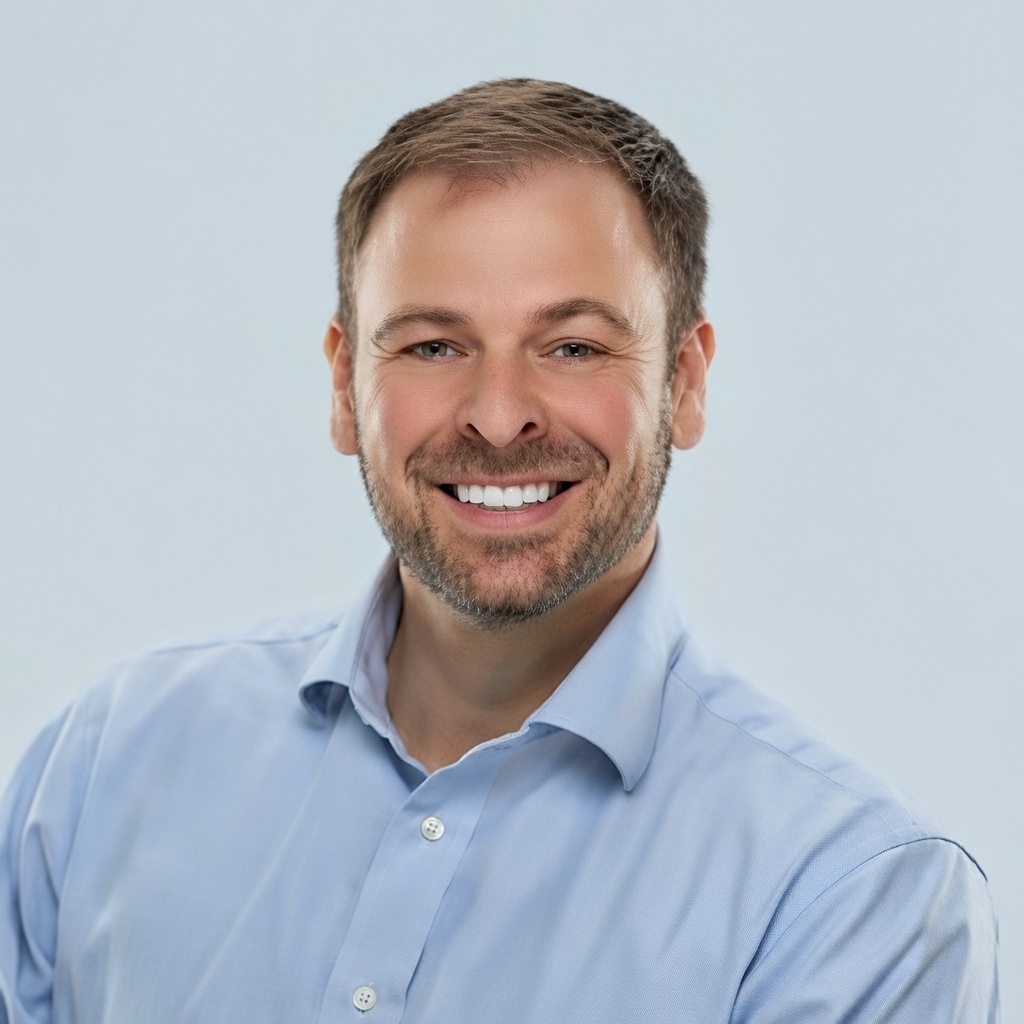
Author: Kris Rhea, MBA
For more practical owner/operator guidance on pharmacy growth, operations, staffing, clinical services, and profitability, visit the Independent Pharmacy Resource Center.